Rain Boots for Gardening, Farm Work & Wet Weather
Sizing, care and buying guides for wet gardens, muddy pastures and everyday outdoor work.
-
Can One Pair Handle Onion Harvest? Field Mud, Cure Sheds, and Packing Floors Say Otherwise
Onion farming creates a footwear challenge because the job does not stay in one environment for long. Early in the season, workers may spend their days around irrigation, damp soil, transplanting or seeding equipment, cultivation, and field scouting. When harvest begins, the same operation may involve dry crop residue, muddy row ends, onion lifters, windrowers, harvesters, trucks, curing areas, conveyors, packing lines, warehouses, and loading docks. A worker may begin the morning checking irrigation in wet soil, climb onto harvest equipment, walk beside onion windrows, help load trucks, move into a curing shed, and finish the shift standing on concrete near a grading or packing line. Footwear may encounter: That…
-
A Stable Worker’s Boots See More Than Mud: From Paddock Gates and Wash Stalls to Feed Rooms and Horse Trailers
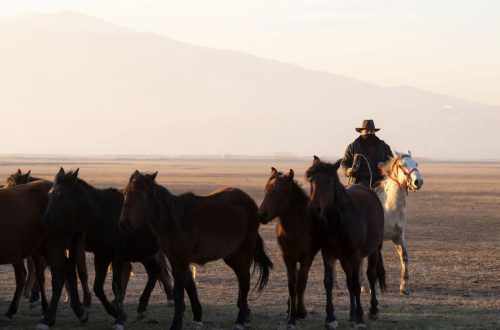
Working on a horse farm means moving through far more than mud. A stable employee may begin the morning walking across a rain-soaked paddock, enter a bedding-covered stall, carry hay through a barn aisle, rinse a horse in a wash stall, repair a muddy gate, load feed, move equipment, clean manure, and finish the day helping load horses into a trailer. Footwear may encounter: That variety makes horse-farm footwear surprisingly demanding. The most practical boots should help keep feet dry, remain comfortable during long walking and standing shifts, provide dependable footing around muddy paddocks, clean easily after barn work, and still allow precise movement around horses, tractors, trailers, and stable…
-
Four Surfaces, One Dairy Shift: Why Parlors, Alleys, Calf Barns, and Yard Work Demand Different Footwear
A dairy worker can move through four completely different footwear environments before breakfast. The shift may begin on wet concrete inside a milking parlor, continue through manure-covered barn alleys, move outside onto muddy gravel roads, and finish with calf care, equipment cleaning, or pressure washing. Later in the same day, the worker may repeat the entire cycle. That variety makes dairy farming especially demanding on footwear. Boots may encounter: The ideal dairy-farm boot therefore needs to do much more than simply keep feet dry. Workers need footwear that can be cleaned easily, remain comfortable on concrete, provide dependable footing in wet barns, handle mud outside, stay secure during repetitive movement,…
-
Where Pumpkin Fields Get Messy: Footwear Lessons From Harvest Crews, Hayrides, and Rainy Fall Weekends
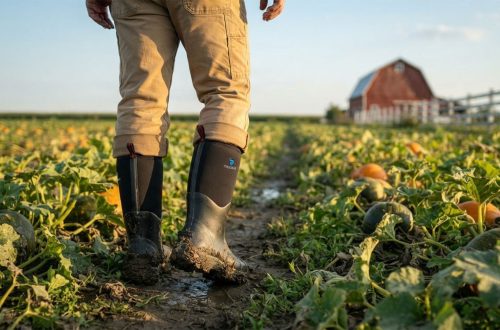
Pumpkin farming has a unique problem: the busiest part of the year often arrives at the same time as cooler temperatures, shorter days, heavy morning dew, unpredictable rain, and thousands of visitors walking across the farm. A pumpkin worker may begin the morning inspecting muddy rows, cut fruit from vines, load pumpkins onto wagons, operate a tractor, repair a field path, prepare a U-pick area, direct cars into a grass parking lot, help customers carry pumpkins, and finish the day cleaning mud from equipment after a rainy fall weekend. Footwear may encounter: That makes pumpkin-farm footwear more complicated than simply choosing a traditional rubber boot. The right footwear should help…
-
Rain, Resin, and Rutted Hillsides: What Christmas Tree Farm Crews Ask of Their Work Boots
Christmas tree farming creates a footwear environment that changes dramatically throughout the year. During the growing season, workers may spend long days mowing between rows, controlling weeds, pruning trees, inspecting irrigation, repairing fences, and walking across uneven ground. When harvest season arrives, the work becomes faster, wetter, colder, and far more physical. Workers may cut trees, drag them across muddy slopes, operate tractors, load trailers, shake loose needles, bale trees, manage customer parking areas, work on retail lots, and continue through rain, frost, slush, or early snow. Footwear may encounter: That makes footwear selection particularly important. The most practical boots for Christmas tree farm crews should help keep feet dry,…
-
Potato Harvest Is Harder on Your Feet Than It Looks—Here’s What Changes From Muddy Fields to Cold Storage
Potato farming creates a footwear environment that changes dramatically as the crop moves from soil to storage. Early in the season, workers may spend their days around irrigation systems, wet planting fields, cultivation equipment, and muddy row ends. During harvest, those same workers may move between loose soil, potato diggers, harvesters, trucks, conveyor systems, wash lines, concrete sorting floors, storage buildings, and refrigerated loading areas. A potato-farm worker might begin the morning checking irrigation, walk through damp rows, inspect a harvester, climb onto a truck, help unload potatoes, move into a wash or grading facility, and finish the day inside a cool storage building. Footwear may encounter: That means the…
-
The Boot Problem Nobody Notices in Greenhouse Vegetable Production Until the Aisles Turn Wet
Commercial greenhouses look controlled compared with open-field agriculture. There is no deep pasture mud, no flooded rice paddy, and usually no storm blowing directly across the crop. Yet greenhouse vegetable workers spend much of their day around moisture. Condensation may collect on structures. Irrigation systems may leak. Drainage channels can stay wet. Harvest carts move through narrow aisles. Packing areas may be washed repeatedly, and workers can transition from warm humid growing zones into cool storage rooms within minutes. A greenhouse employee might begin the morning checking irrigation lines, inspect tomato vines, harvest cucumbers, move carts through damp aisles, repair a leaking emitter, wash tools, sort vegetables, enter a cooler,…
-
Between Trellis Rows and Kiln Floors: Footwear Built for the Wet, Vertical Work of Hop Harvest
Hop farming creates a working environment that combines wet crop rows, tall trellis systems, irrigation, heavy plant material, tractors, harvest trailers, picking equipment, drying kilns, bale handling, and long seasonal shifts. Unlike many field crops, hops grow vertically. Mature plants climb tall strings and trellis structures, creating dense rows where workers may spend hours around wet vegetation, uneven ground, irrigation lines, and large amounts of plant material. During harvest, the environment changes again. Workers may move from muddy fields to machinery platforms, processing floors, drying areas, warehouses, and loading zones during the same shift. Footwear may encounter: That variety means hop workers need footwear that does more than resist water.…
-
Why Citrus Harvest Crews Need Different Boots in the Grove, at the Wash Line, and on the Loading Dock
Citrus farming puts workers through several completely different footwear environments during the same workday. The morning may begin in a damp orange grove with heavy dew on the grass. A few hours later, workers may be carrying picking bags through irrigation-softened soil, climbing harvest ladders, loading fruit bins, standing beside a wash line, moving cartons across concrete, or working around refrigerated storage and loading docks. That variety creates a footwear problem that is easy to underestimate. A citrus worker does not simply need a boot that handles mud. The footwear also needs to remain comfortable during long walking shifts, provide controlled movement around ladders and equipment, resist repeated moisture exposure,…
-
Saltwater on the Deck, Kelp on the Lines: Choosing Footwear for Coastal Seaweed Harvest and Aquaculture Work
Seaweed farming brings agriculture directly into a marine environment. Instead of walking crop rows or livestock barns, workers may spend their day moving between tidal shorelines, docks, boats, floating gear, harvest lines, wet processing floors, refrigerated storage, and coastal loading areas. A seaweed-farm worker may begin before sunrise preparing a boat, step across a wet dock, travel to offshore growing lines, haul kelp or other seaweed aboard, rinse equipment, unload harvest baskets, move product into a processing area, and finish the shift washing saltwater and organic residue from tools and floors. Footwear may encounter: That makes footwear a critical part of everyday comfort and mobility. The right footwear needs to…